







Search Results for: Blue Mountain No. 1 Roasting Temperature
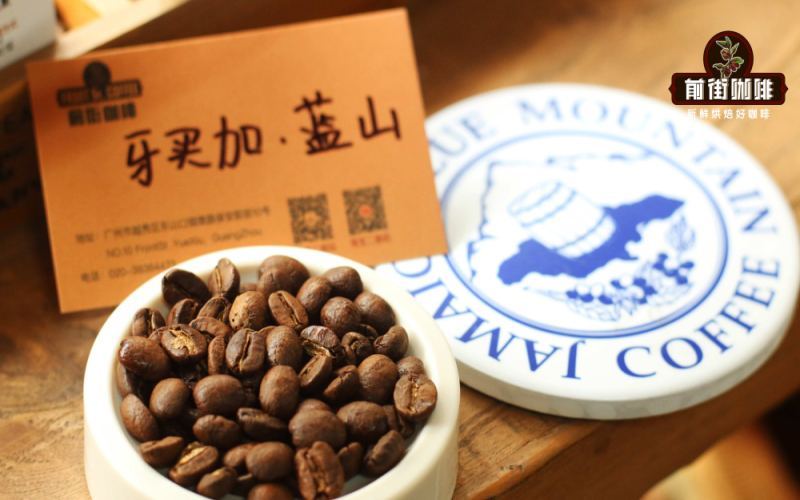
Which Jamaican Blue Mountain coffee estate produces the best? How long can Blue Mountain No. 1 be stored after roasting?
Blue Mountain coffee occupies a special place in the world coffee landscape. It was once synonymous with status and taste in Hong Kong dramas—scarce in production, balanced in flavor, and expensive, it once drew enthusiasts in droves. Around Blue Mountain coffee, concepts such as "Blue Mountain flavor" and "Blue Mountain blend" have proliferated on the market, but which estates do the coffee beans truly originating from Jamaica's Blue Mountain range actually come from? Which estate's output is more worthy of attention? And how long can Blue Mountain No. 1 be stored after roasting? This article will systematically sort out the cultivation origins, regional terroir, and grade classifications of Jamaican Blue Mountain coffee, with a focus on introducing the history of Clifton Estate and Front Street Coffee's roasting and brewing methods, providing coffee lovers with a complete Blue Mountain coffee reference. [more…]
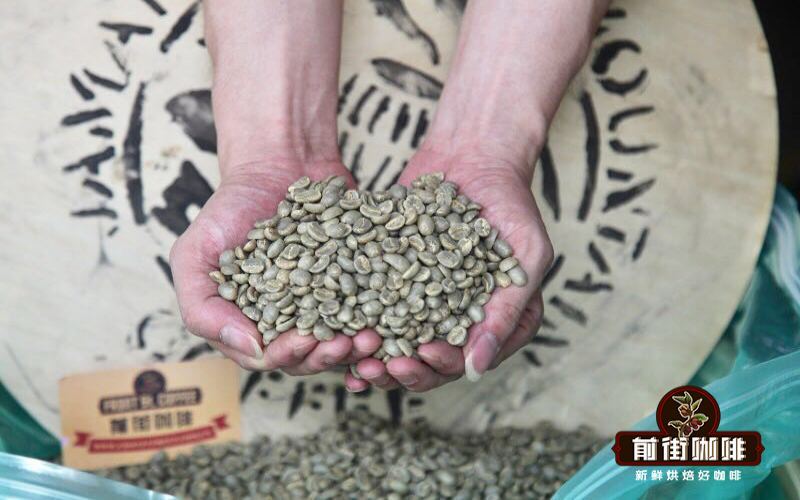
How to hand-brew Blue Mountain No. 1 coffee beans for the best taste? A full guide from bean selection and roasting to brewing parameters and tasting methods
To enjoy an outstanding cup of Blue Mountain coffee, good beans alone are not enough—the roasting plan, extraction parameters, and drinking method are equally crucial. This article focuses on Jamaican Blue Mountain No. 1 coffee beans. It first explains the origin and flavor characteristics of authentic Blue Mountain coffee, then introduces the specification standards of the NO.1 grade and the cultivation and processing details of Clifton Estate, followed by an analysis of Front Street Coffee's roasting approach and recommended peak flavor period, and finally provides a complete pour-over plan, including grind size, water temperature, dripper selection, coffee-to-water ratio, staged pouring technique, and total extraction time, to help you consistently brew a cup of Blue Mountain coffee with balanced acidity, sweetness, and bitterness and a clean mouthfeel. [more…]
How to Determine the Roast Level of Blue Mountain Coffee? A Detailed Guide to Front Street Coffee's Jamaican Blue Mountain No. 1 Roast Curve and Key Milestones
Roasting is the core stage that determines the direction of coffee flavor. Green beans must be roasted before they can be consumed, and the degree of roasting often influences eighty percent of the final taste performance. This article takes Front Street Jamaican Blue Mountain coffee as an example, starting from key nodes such as charge temperature, heat adjustment, turning point, yellowing point, first crack, and rate of rise, to analyze in detail the design approach of the roasting curve for Blue Mountain No. 1 coffee beans. The article also combines the specific characteristics of Blue Mountain coffee, such as screen size above 17, defect rate below 3%, and moisture content of about 13%, to explain why it is suitable to adopt a steadily rising roasting method, and provides a complete operation record from charging at 170°C to dropping at 201.3°C, helping coffee enthusiasts understand how to coordinate heat and airflow to make Blue Mountain coffee present a cleaner and more layered flavor. [more…]
A Comprehensive Guide to Jamaican Blue Mountain Coffee: Typica Variety, Flavor Profile, CIB Grading System, and Authenticity Verification
Jamaican Blue Mountain coffee is hailed as the "beauty of coffee," an elegant choice that combines acidity, bitterness, sweetness, and body in one. This article will provide coffee lovers with a comprehensive interpretation of this world-class coffee from multiple dimensions: the flavor characteristics of Blue Mountain coffee, the traits of the Typica variety, the grading system of the Jamaica Coffee Industry Board (CIB), the historical origins of Japan's priority purchasing rights, and Front Street Coffee's roasting and brewing recommendations for Blue Mountain coffee. At the same time, we will also share practical tips on how to identify authentic Blue Mountain coffee, helping you avoid the trap of "Blue Mountain flavor" blended beans in your daily purchases and truly appreciate the unique charm of genuine Jamaican Blue Mountain coffee. [more…]
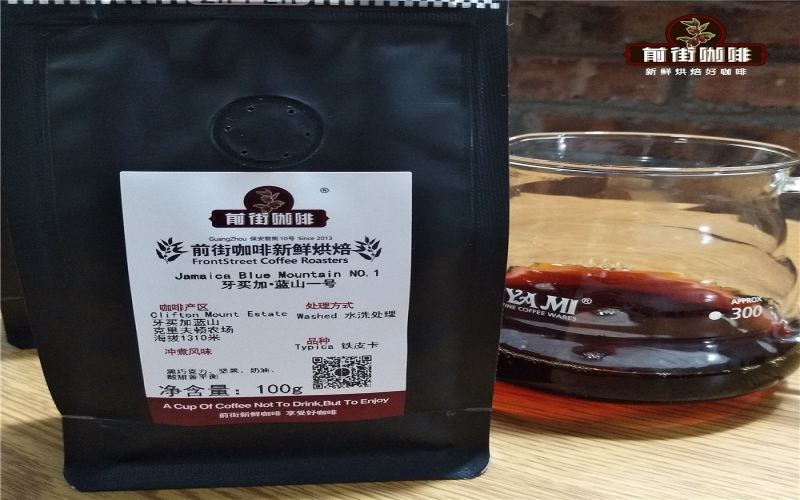
Jamaican Blue Mountain Coffee JABLUM Grade and Flavor Analysis: Authentic Certification Standards and Front Street Blue Mountain No.1 Pour-Over Parameters
Blue Mountain coffee is hailed as the pinnacle of coffee, renowned for its rich smoothness, balanced acidity, bitterness, and sweetness, and its long-lasting aftertaste. In an era before specialty coffee became widespread, its status was akin to Rolls-Royce in the automotive world or Rolex in watches, with rampant counterfeits and high prices. Nowadays, enjoying authentic Blue Mountain is no longer difficult—Front Street can provide Jamaica's highest-grade Blue Mountain No. 1 coffee beans. This article focuses on the grading standards for Blue Mountain coffee, the CIB certification system, the tradition of wooden barrel packaging, Front Street's medium-dark roasting philosophy, and the standard pour-over extraction method used in stores. It explains in detail how to identify authentic Jamaican Blue Mountain and presents the flavor changes of Blue Mountain No. 1 from high to low temperatures, helping coffee enthusiasts gain a comprehensive understanding of this legendary coffee. [more…]
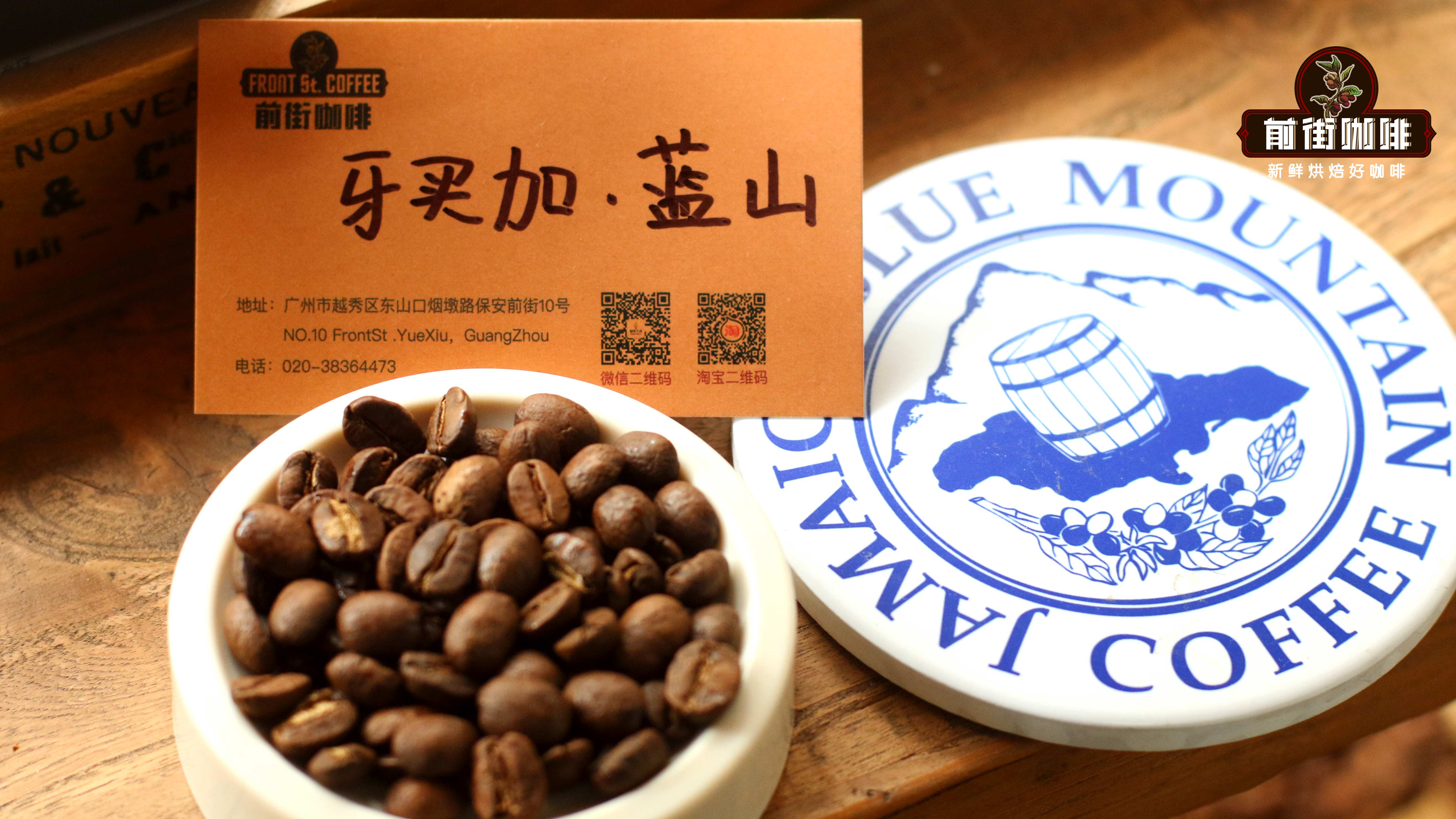
How to brew an authentic Blue Mountain No. 1 pour-over coffee that tastes great? Key identification points, brewing parameters, and step-by-step guide
Blue Mountain coffee has long enjoyed the reputation of "King of Coffee," but to truly brew a delicious cup, every step from bean selection to extraction is crucial. This article focuses on how to identify authentic Blue Mountain No. 1, the importance of fresh roasting, and the KONO dripper pour-over method recommended by Front Street Coffee, systematically covering core parameters such as water temperature, grind size, and pouring rhythm. Whether you are a beginner just getting to know Blue Mountain or an enthusiast looking to refine your pour-over technique, you will find practical guidance here to fully bring out the mellow, clean, and balanced character of Blue Mountain coffee. [more…]
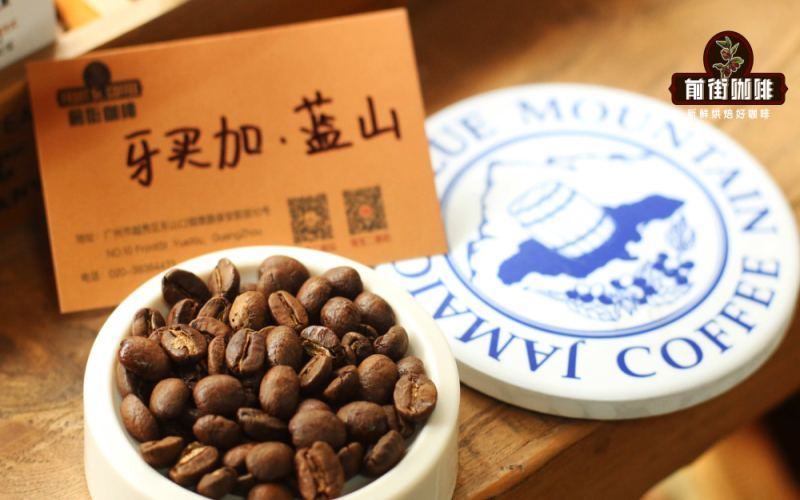
Jamaica Clifton Estate and Blue Mountain No. 1: A Full Analysis of Origin, History, Roasting, and Pour-Over Flavor
Jamaican Blue Mountain coffee, with its exquisite balance of aroma, body, and acidity, along with a unique round sweetness, has long been regarded by many coffee lovers as the epitome of top-tier coffee. The Blue Mountain region is strictly regulated by the Jamaica Coffee Board (CIB): only beans that meet the standards within specific administrative areas may bear the Blue Mountain name, and Blue Mountain No. 1 is the most commonly seen grade on the market. Among the many estates, Clifton Mount Estate is an ancient origin that is still in operation today, and it is also the only farm in Jamaica to obtain Rainforest Alliance certification. The Blue Mountain No. 1 sold by Front Street Coffee comes from this estate, and is roasted at a medium-dark level and brewed with a lower water temperature to showcase a balanced flavor of dark chocolate, nuts, and creamy smoothness. This article will provide a complete introduction to the grading of the Blue Mountain region, the history and current status of Clifton Estate, and Front Street's roasting approach and pour-over parameters. [more…]
Exploring Jamaica Blue Mountain No.1 Clifton Estate: A Complete Interpretation from Historical Origins to Cup Flavor
Jamaica Blue Mountain No. 1 coffee has long been hailed as the "King of Coffee," and Clifton Estate, as the oldest coffee-producing estate still in operation in the Blue Mountain region, produces a Blue Mountain No. 1 that is especially sought after. This article will begin with the natural conditions of the Blue Mountain growing region, trace the history of Clifton Estate since the eighteenth century, analyze its unique washed processing method and green bean grading standards, and share Front Street Coffee's roasting curve and brewing parameters. Finally, it will provide practical methods for identifying genuine Blue Mountain coffee, giving you a comprehensive understanding of the origins and story behind this legendary coffee. [more…]
A Comprehensive Analysis of Jamaican Blue Mountain Coffee Beans: Origin, Varieties, Grading, Roasting and Brewing Characteristics, Prices, and Stories
Blue Mountain coffee is an extremely well-known name in the coffee world, but few people truly understand it. Jamaica has strict production-area restrictions on the naming of Blue Mountain coffee: only coffee grown within designated altitude ranges in the Blue Mountain range can bear the name Blue Mountain, and Blue Mountain No. 1 is the most strictly graded tier among them. This article will systematically sort out the full picture of Blue Mountain coffee from multiple angles, including production area scope, variety characteristics, grade classification, certification marks, the historical causes of its price, and roasting and brewing suggestions, helping coffee lovers make more accurate judgments when purchasing. The article also retains Front Street Coffee's recommendation information about Blue Mountain No. 1 coffee beans, including Clifton estate products, roast levels, and brewing parameters and other practical content. [more…]
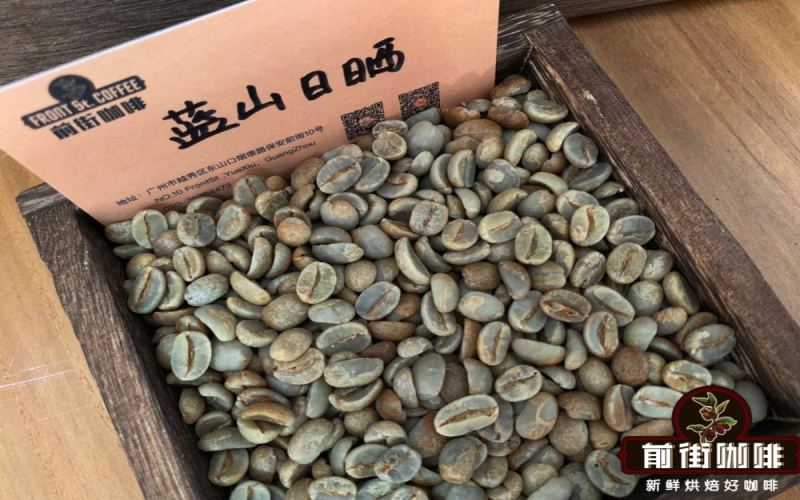
In-Depth Analysis of Clifton Mount Blue Mountain Geisha: Green Bean Grading Rules and Flavor Cupping Comparison
In 2020, the news that Clifton Mount Estate was launching a Blue Mountain Geisha sparked heated discussion in the coffee community: if Geisha is grown in the Blue Mountain region, does it still count as Blue Mountain coffee? This article first introduces readers to the terroir of authentic Blue Mountain, the grading standards from NO.1 to NO.3 and PB peaberry, and the estate's cultivation history and Rainforest Alliance certification; then Front Street Coffee will compare Blue Mountain Geisha and traditional washed Blue Mountain one by one, from variety origin, roasting curve, and cupping performance to V60 brewing, clearly presenting the differences between the two in floral aroma, nuttiness, and body. If you want to understand whether this innovative bean is worth trying, you may find the answer in this article. [more…]
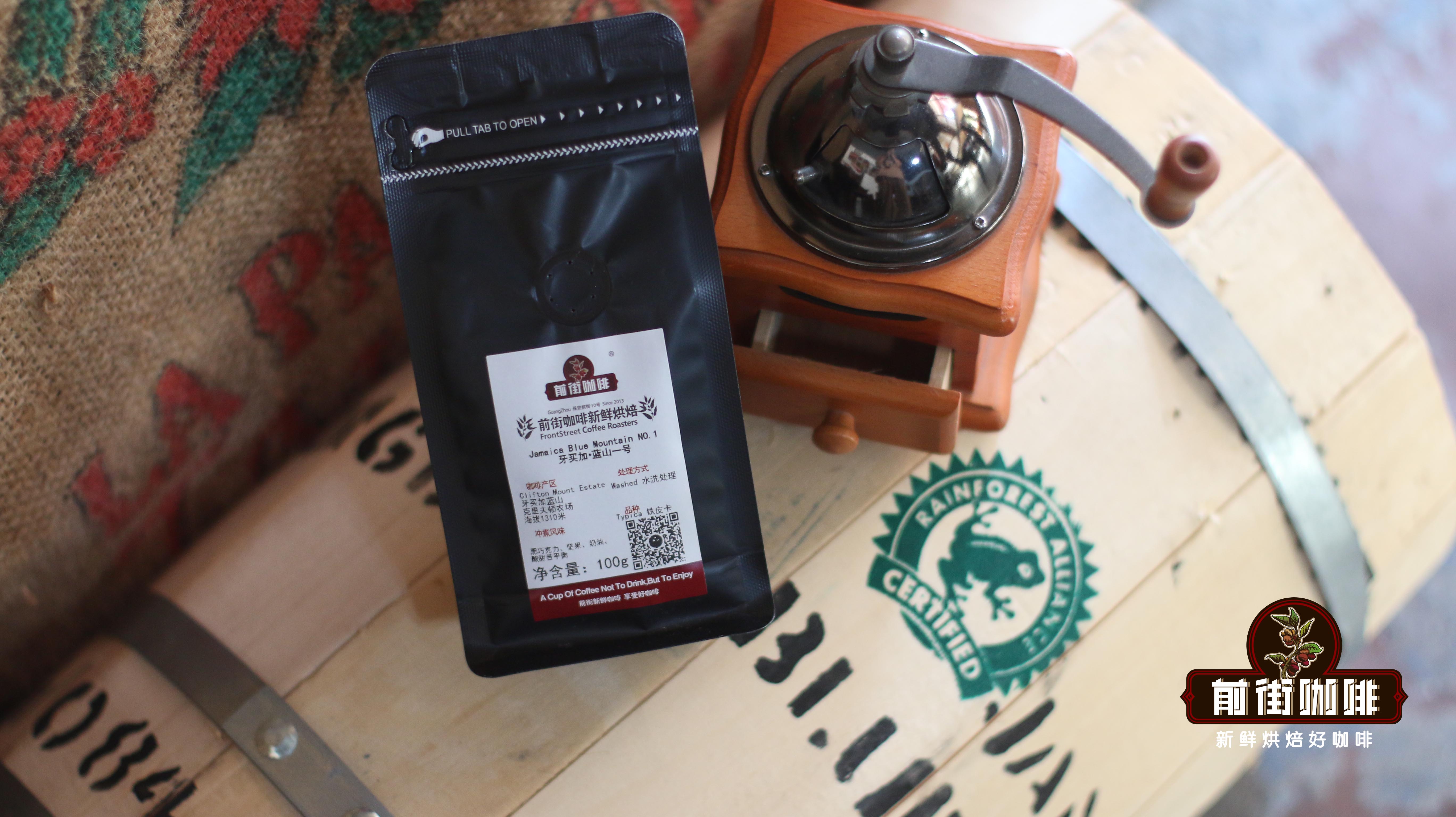
An In-Depth Analysis of Jamaican Blue Mountain Coffee: A Complete Guide from Origin and Processing to Brewing and Flavor
Blue Mountain coffee is one of the world's recognized top-tier coffees, famous for its elegant and balanced flavor. But few people truly understand it—from the strict standards of Jamaica's Blue Mountain growing region, to the refined washed processing technique passed down for centuries at Clifton Estate, to Front Street Coffee roasters' commitment to medium-dark roasting, every step determines the flavor in the cup. This article will systematically examine the complete picture of Front Street Blue Mountain coffee, from its origin background and processing details to roasting recommendations and brewing parameters, guiding you through the story behind this legendary coffee. [more…]
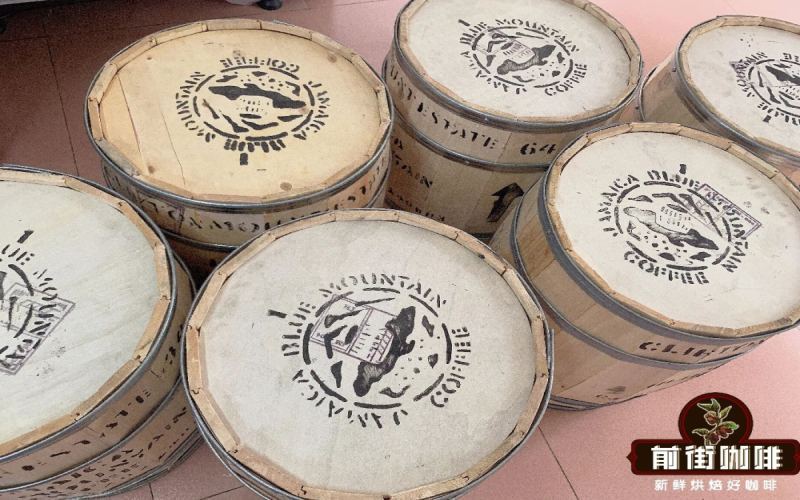
Jamaica Blue Mountain No.1 Flavor Analysis: Clifton Estate Grade Classification and Authenticity Identification Guide
Blue Mountain coffee enjoys a stellar reputation, but products labeled "Blue Mountain" on the market are a mixed bag, and those truly meeting Jamaica's official certification standards are few and far between. This article will guide you through the origin boundaries and altitude requirements of authentic Blue Mountain coffee, introduce you to the outstanding representative Clifton Estate, outline the grading system and processing methods of Blue Mountain coffee, and share Front Street Coffee's roasting curve and cupping performance. In addition, we'll teach you how to identify genuine versus fake Blue Mountain from four dimensions—appearance, grind, aroma, and taste—along with practical parameter recommendations for brewing Blue Mountain No. 1 in daily use. [more…]
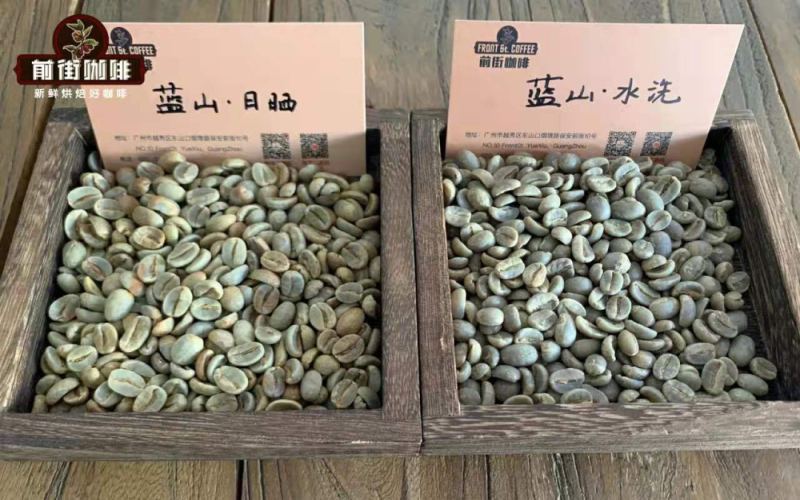
Jamaica Blue Mountain No. 1 Coffee Beans: Price Analysis, Authenticity Guide, and Brewing & Flavor Guide
Blue Mountain coffee is hailed as a legend in the coffee world, but genuine Jamaican Blue Mountain No. 1 is actually quite scarce on the market, and its price is equally intriguing. This article takes a deep dive into the reasons behind Blue Mountain coffee's high cost, including the history of Japan's long-standing monopoly and the current scarcity of production, and teaches you how to identify authentic Blue Mountain No. 1 through certificates, price, and bean appearance. At the same time, Front Street Coffee will share brewing suggestions for Blue Mountain No. 1 beans sourced from Clifton Farm, including parameters such as the Kono dripper, 88°C water temperature, and three-stage pouring, helping you brew a cup of authentic Blue Mountain coffee at home with a balanced acidity, sweetness, and bitterness, and a clear yet full-bodied flavor. Whether you are a coffee enthusiast or a beginner just getting started, you can gain practical knowledge and techniques from it. [more…]
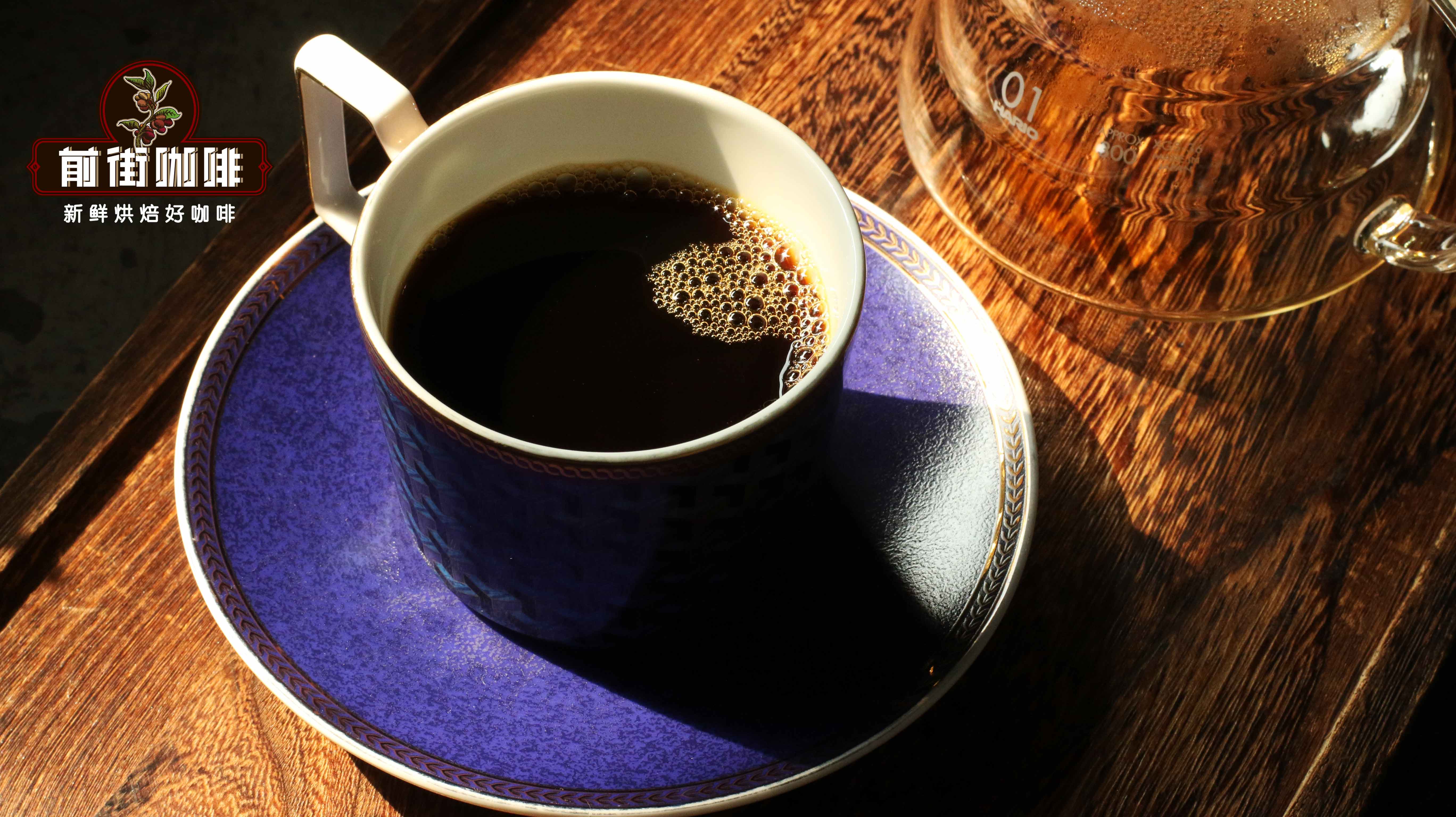
How to brew Blue Mountain coffee correctly? A complete practical guide from bean selection to extraction
Blue Mountain coffee is renowned for its balanced, mellow body; its notes of dark chocolate, gentle fruit acidity, and caramel sweetness leave countless coffee lovers enchanted. But if you truly want to taste the layered complexity of Blue Mountain coffee, every step matters—from bean selection and grinding to water temperature and pouring technique. Using Front Street Coffee's Clifton Estate Washed Blue Mountain No. 1 as an example, this article breaks down the bean's origin background, roasting approach, and pour-over parameters in detail, and provides a complete café-level extraction process to help you consistently recreate the classic, solid flavor profile of Blue Mountain coffee at home. [more…]
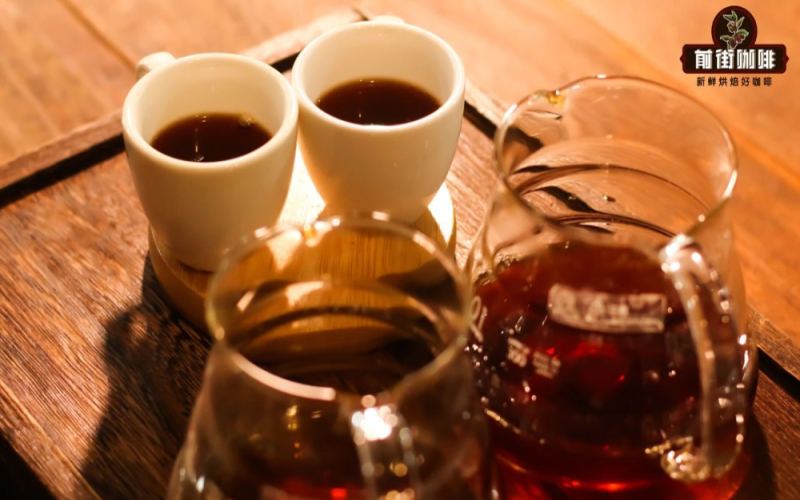
How should you brew Blue Mountain black coffee to make it taste best? A complete guide from bean selection to extraction.
Blue Mountain coffee is renowned for its balanced, mellow taste; its dark chocolate notes, gentle fruit acidity, and lingering sweet aftertaste captivate many coffee lovers. But to truly bring out the layers of Blue Mountain coffee, every step matters, from bean selection and roast level to grinding, water temperature, and pouring rhythm. This article uses the washed Blue Mountain No. 1 from Clifton Estate sold by Front Street Coffee as an example to walk through the complete brewing process, from green bean characteristics and roasting approach to café output parameters, helping you recreate the smooth, solid classic taste of Blue Mountain coffee at home. [more…]
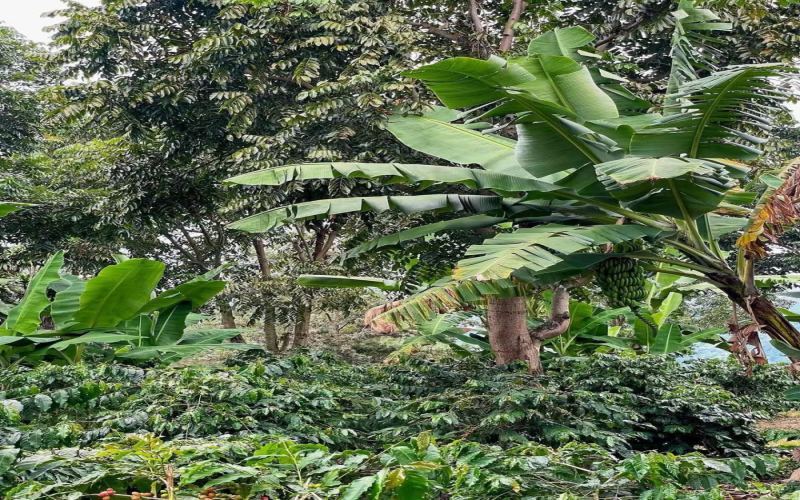
Why Is Jamaican Blue Mountain Coffee Packed in Wooden Barrels? Understanding Blue Mountain No. 1's Grade Standards and Brewing Essentials
Blue Mountain coffee has long been regarded as the benchmark of specialty coffee, and its uniqueness lies not only in its flavor profile but also in its packaging methods and grading system. This article will focus on Jamaican Blue Mountain coffee, explaining why it has long insisted on using wooden barrels for export shipment, sorting out how the washed Typica variety, microclimate, and strict grading system together create Blue Mountain coffee's quality status, and offering a key interpretation of the evaluation standards and specification requirements for the "Blue Mountain No. 1" grade. At the same time, the article will also share Front Street Coffee's specific approach and parameters for roasting and brewing Blue Mountain No. 1, including the extraction principles of the KONO dripper, the coffee-to-water ratio, water temperature, and staged pouring technique, helping readers gain a more comprehensive understanding of this coffee's complete journey from origin to cup. [more…]
What Is the Connection Between Green Mountain Coffee and Blue Mountain Coffee? A Clear Guide to the Differences and Blue Mountain Coffee Expertise
Many people, upon first hearing about Green Mountain Coffee, assume it is an imitator of Blue Mountain Coffee, and some readers of Front Street Coffee have even asked whether Green Mountain is a knockoff. In reality, apart from the similar names, Green Mountain Coffee and Blue Mountain Coffee have almost no substantive connection. Green Mountain Coffee is not a coffee bean variety but an American coffee company founded in 1981, known for its K-Cup pods and Keurig coffee machines; Blue Mountain Coffee, on the other hand, is Arabica Typica coffee produced in Jamaica's Blue Mountain region, strictly graded by the Jamaica Coffee Industry Board. This article will separately examine Green Mountain Coffee's business model, Blue Mountain Coffee's history and grading system, key points for purchasing and authentication, and include Front Street Coffee's roasting and brewing recommendations. [more…]

Jamaica Blue Mountain Coffee Flavor Analysis: The Specialty Path from Cultivation Varieties and Processing Techniques to Roasting and Brewing
Blue Mountain coffee has long been regarded as the benchmark of specialty coffee. From variety selection and breeding, growing altitude, harvesting methods, processing and fermentation, roasting curves, to brewing parameters, every step reflects specialty coffee's ultimate pursuit of detail. This article will systematically sort out the origin qualification standards of Jamaican Blue Mountain coffee, the characteristics of the Typica variety, the washed processing flow, and the specific practices of Front Street Coffee in roasting and pour-over production, helping coffee lovers understand the source of Blue Mountain coffee's balanced acidity, sweetness, and bitterness, its mellow and smooth flavor, and why it has become a classic among classics. [more…]
How Does Green Mountain Coffee Differ from Blue Mountain Coffee? A Full Analysis of Grades, Taste Characteristics, and Buying and Identifying Blue Mountain
Green Mountain Coffee has frequently appeared in the public eye in recent years, and many people mistakenly believe it is a knockoff Blue Mountain or some kind of coffee bean. In fact, Green Mountain Coffee is a coffee brand founded in the United States in 1978, which pioneered a new business model with its Keurig coffee machines and K-Cup system. Blue Mountain Coffee, on the other hand, is an Arabica Typica coffee produced in a specific area of Jamaica's Blue Mountains, with strict grading standards and a legendary history. Apart from the similar Chinese translated names, the two have almost no connection. This article will systematically sort out Green Mountain Coffee's brand positioning and business logic, explain in detail Blue Mountain Coffee's producing region definition, grade classification, historical changes, and key points for purchasing and identification, and also include Front Street Coffee's brewing suggestions for Blue Mountain No. 1, to help coffee enthusiasts clarify concepts and make rational purchases. [more…]
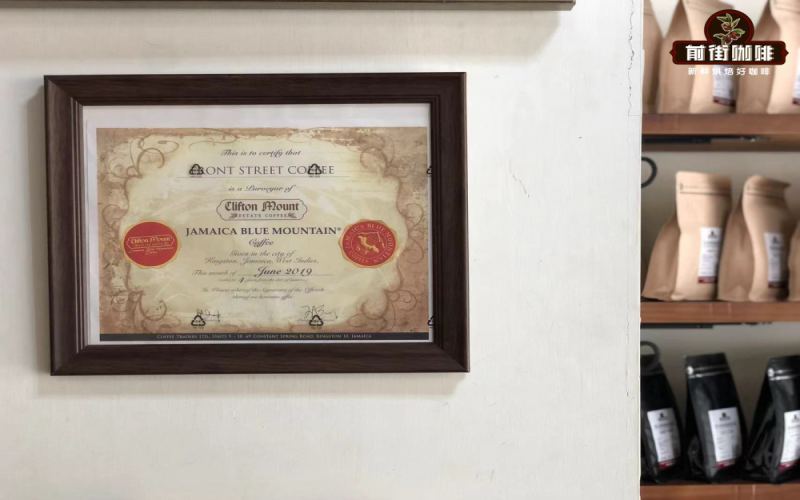
Why is Jamaican Blue Mountain Coffee shipped exclusively in wooden barrels? A full analysis of Clifton Estate and Front Street Blue Mountain No. 1
Blue Mountain coffee is widely recognized as one of the coffees grown under the finest conditions in the world, with Jamaica's unique climate, geology, and topography combining to create its exceptional quality. Why is Blue Mountain coffee, alone among all green coffees, shipped in wooden barrels? There are both historical origins and practical considerations behind this. This article will guide you through the terroir of Blue Mountain coffee's origin, the historical shifts in Japan's quota, the management system of the Jamaica Coffee Board, and the Clifton Farm Blue Mountain No. 1 coffee beans imported by Front Street Coffee—presenting this classic coffee in full, from processing method and roasting curve to brewing recommendations. [more…]